This is part one of a three-part series about acquiring and selling luxury watches.
Acquiring or selling luxury watches is both a rewarding passion and a complex process. These mechanical masterpieces carry not just high monetary value but also emotional and historical significance. Whether you’re a first-time buyer eyeing your grail Rolex or a seasoned collector thinning your collection, it pays to approach the journey with knowledge and care. There are many factors to consider, from personal motivations and meticulous research to authentication, condition checks, and market trends. On the selling side, one must prepare diligently, choose the right marketplace, ensure secure transactions, and navigate any legal or logistical hurdles.
In this comprehensive guide, we break down the art of buying and selling luxury timepieces into clear steps and considerations, so you can proceed with confidence and passion.
Define Your Purpose: Adornment, Investment, or Heirloom
Before diving into the world of haute horology, clarify why you want the watch. Is it primarily for personal enjoyment and style, as a long-term investment, or as a family heirloom to pass down?
Adornment (Personal Enjoyment)
If you simply love watches and want something beautiful on your wrist, focus on design, craftsmanship, and how the watch fits your lifestyle. A luxury watch can be a statement piece and a daily companion that reflects your taste. Make sure the watch’s functions and size suit your needs (for example, if you need a date display or a sports watch vs. a dress watch). Ultimately, buy what you love, a timepiece you’ll enjoy wearing and cherishing.
Investment
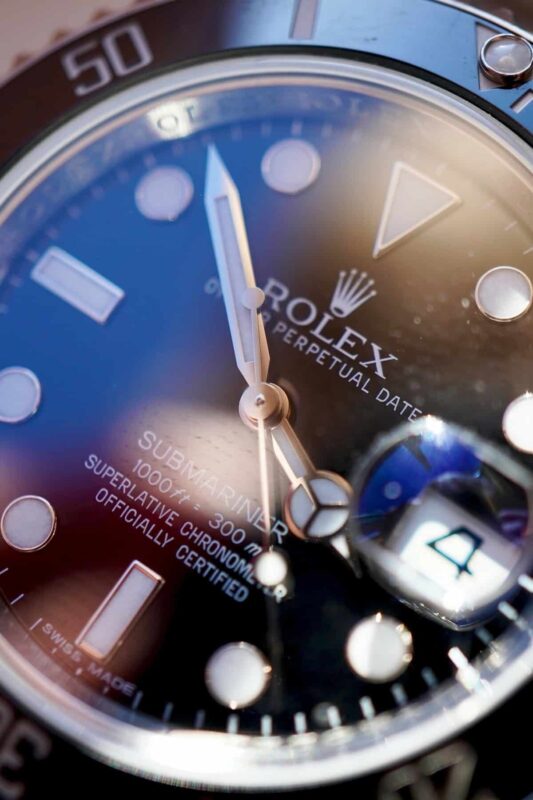
Some buyers view luxury watches as investments that may appreciate in value. Indeed, renowned brands like Rolex, Patek Philippe, and Audemars Piguet have models that historically hold or increase their value. For instance, Rolex and Patek are often cited as the safest bets for value retention. However, it’s critical to be realistic: only a small fraction of watches skyrocket in price, and these are usually iconic or limited models (the “usual suspects” like the Rolex Submariner, Patek Philippe Nautilus, AP Royal Oak, etc.) If you’re new to collecting, experts advise not to bank on value retention for your very first luxury watch. Choose one “purely for pleasure” rather than speculative gain. In other words, don’t stretch your budget just because you think a watch will be a jackpot; invest in a piece you’d be happy to own even if its market price stays flat.
Heirloom
Perhaps you intend to hand the watch down as a family heirloom. In that case, consider timelessness and sentiment. Opt for a classic model with enduring appeal, such as a Rolex Submariner or a Patek Philippe Calatrava, iconic designs that will remain distinguished for decades to come. An heirloom watch is not just about monetary value; it’s a vessel of memories and legacy. Some buyers commemorate milestones (graduation, marriage, business success) with a fine watch to start a tradition. If heirloom potential is the goal, you might personalize it (e.g. a case-back engraving) and should keep everything original over time, from the factory parts to the boxes and papers. A watch that is complete with its accessories and documentation not only maintains value better, but tells a richer story for the next generation.
By defining your purpose upfront, you can make choices that align with your goals. A collector seeking long-term investment may gravitate toward rare or limited editions, while someone looking for a daily wearer might prioritize comfort and versatility. Clarity on “why” you are buying will guide every other decision in your horological journey.
Conduct Thorough Research: Know Your Watches and the Market
Once you know your purpose, do your homework. Research is absolutely vital in the luxury watch world. It saves you from costly mistakes and helps you zero in on the perfect piece.
Learn About Brands and Models
Educate yourself on the prestige and characteristics of top watch brands. The “Holy Trinity” of Patek Philippe, Audemars Piguet, and Vacheron Constantin, for example, are known for haute craftsmanship and often low production volume. Rolex and Omega are renowned for their robust quality, iconic designs, and strong resale value. Each brand has its unique history and specialties. Within brands, study the specific models. Know the difference between a Rolex Submariner and a GMT-Master II, or between an Audemars Piguet Royal Oak and a Patek Nautilus. Pay attention to movements (automatic vs hand-wound, complications like chronographs or calendars), materials (stainless steel, gold, titanium), and model variations over the years. Knowledge of reference numbers can be very helpful in identifying exactly what you’re looking at.
Read Reputable Guides and Reviews
Take advantage of the wealth of information provided by veteran collectors and watch journalists. Look up model-specific reviews to learn about any quirks or common issues. It’s also helpful to read comparison articles (e.g., comparing the Rolex Daytona vs. Omega Speedmaster if you’re interested in chronographs) to understand the pros and cons of each.
Engage with the Watch Community
There’s a vibrant online community of watch enthusiasts. Platforms like forums and various Facebook groups are great places to ask questions and see discussions on buying experiences. You can find honest opinions, real-world photos, and even warnings about scams or bad watch sellers. Keep in mind, opinions will vary, but you’ll start noticing consensus on certain trustworthy sellers or overrated models. Community members often share personal experiences that can be invaluable (“This dealer always authenticates their pieces” or “Beware, that vintage model often has replaced dials”). Just remember to vet the advice and ensure it’s coming from experienced collectors.
Compare Prices and Set a Budget
Prices for luxury watches can vary widely for the same model depending on age, condition, and rarity. Use multiple sources to gauge fair market value. This will prevent you from overpaying and also help you spot deals that are too good to be true (more on that in authenticity!). Set a realistic budget for yourself, including a cushion for after-purchase expenses like insurance or a first service if needed. Many recommend budgeting no more than you’re willing to lose. While that precious timepiece is unlikely to become worthless, its value can fluctuate with the market. Stick to your budget to avoid buyer’s remorse.
New vs. Pre-Owned
Decide if you’re open to buying a pre-owned (used) watch or if you prefer brand new from an authorized dealer. Each has advantages. New watches come with full manufacturer warranty, and you’ll be the first owner (pristine condition, no hidden history). However, they often cost list price and some hot models have long waitlists or markups. Pre-owned watches can be more affordable and readily available, and in some cases you might find a discontinued model you love that isn’t sold new anymore. High-end vintage pieces can even appreciate over time due to rarity. But with pre-owned, you must be extra careful about authenticity and condition, which is why research and buying from trusted sources is so crucial. If you go pre-owned, ensure you understand the production years and any generational differences of that model (for instance, a Rolex Submariner from the 1990s vs 2010s may have different movements or subtle design tweaks).
In summary, immerse yourself in information. The time you spend researching will pay off when you make a confident purchase. Having Harry Glinberg Jewelers as your honest and reputable dealer is far more important than getting a slightly lower price. The more you know, the less likely you’ll be caught off guard in the complex luxury watch market.
Prioritize Watch Authenticity: Buy Smart, Buy Safe
Verifying the authenticity of any timepiece is paramount when dealing with high-end watches. Luxury timepieces are heavily counterfeited, and scams do exist, so you must prioritize authenticity and trustworthiness in every transaction.
Buy from Trusted Timepiece Sellers
Whenever possible, purchase your luxury watches from authorized dealers or well-established resellers with strong reputations. Authorized retailers guarantee a brand-new, genuine product (with a warranty). If buying pre-owned, look for luxury watch sellers who specialize in luxury watches and have years of positive feedback. Well-known pre-owned dealers thoroughly inspect and authenticate their inventory. Read customer reviews and see if the seller provides detailed photos and information. Never be tempted by an ultra-cheap price from an unknown source. Luxury watches rarely sell for only a few hundred dollars.”– If a deal seems too good to be true, it probably is. The lowest price is never the best option if it compromises trust.
Verify the Watch Itself
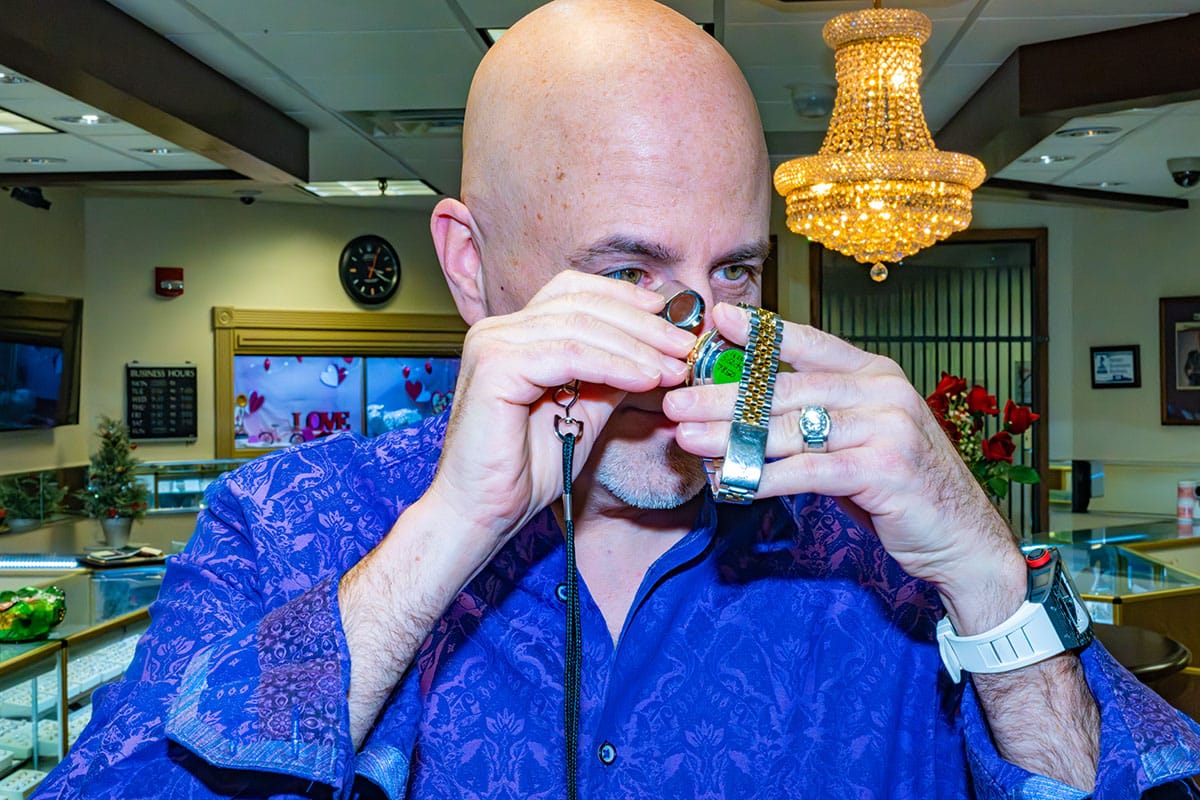
Whether you buy new or pre-owned, scrutinize the watch upon receiving it. Match the serial numbers on the case and papers, inspect the branding and hallmarks, and ensure the details align with the official specs for that model. High-quality counterfeits have become frighteningly good; it may take a trained eye (or even opening the caseback to check the movement) to confirm everything is genuine. If you’re not experienced, consider having the watch authenticated by a professional dealer. Many collectors will immediately take a newly acquired pre-owned watch to a dealer to verify that the movement, dial, and all components are authentic and correct. Remember that a genuine watch can still have non-original service parts (like a replaced dial, hands, or bezel insert). These aren’t “fakes” per se, but can affect value for collectors. Ideally, you want all-original parts unless disclosed and reflected in the price. When in doubt, consult experts or seek help from community forums, which often help vet the authenticity of photos.
Ask for Documentation
Legitimate watch sellers should be able to provide evidence of authenticity and ownership. This may include the original warranty card or certificate, receipts, service records, and an appraisal or authenticity certificate from a trusted source. Box and papers add a layer of assurance – they show the watch isn’t a grey-market item that fell off a truck. That said, a lack of papers doesn’t always mean it’s fake (older vintage watches often lose their papers over decades), but you then rely on reputation and trust the seller even more. Don’t be shy about asking even “stupid” questions. A reputable seller will appreciate that you’re careful. If a seller gets evasive or refuses to provide things like an inspection or additional photos, walk away.
Know the Red Flags
Educate yourself on common signs of counterfeit or tampered watches. For example, familiarize yourself with the specific hallmarks of the model you want (engraving style, logo printing, movement decoration, etc.). If buying a Rolex, learn a few basics of how to spot a fake Rolex (e.g., the Rolex crown hologram sticker is no longer on newer models, the lettering on the dial should be crisp, the second hand on an automatic Rolex should sweep smoothly, etc.). Be cautious of Frankenwatches, those pieced together from parts of various watches, which might not be obvious fakes but are not authentically what they claim to be. Also, be wary of stolen watches; if a deal is far under market price and the seller has no papers, it could be stolen property (which could be confiscated if identified). Always insist on a proper bill of sale or receipt stating the serial number.
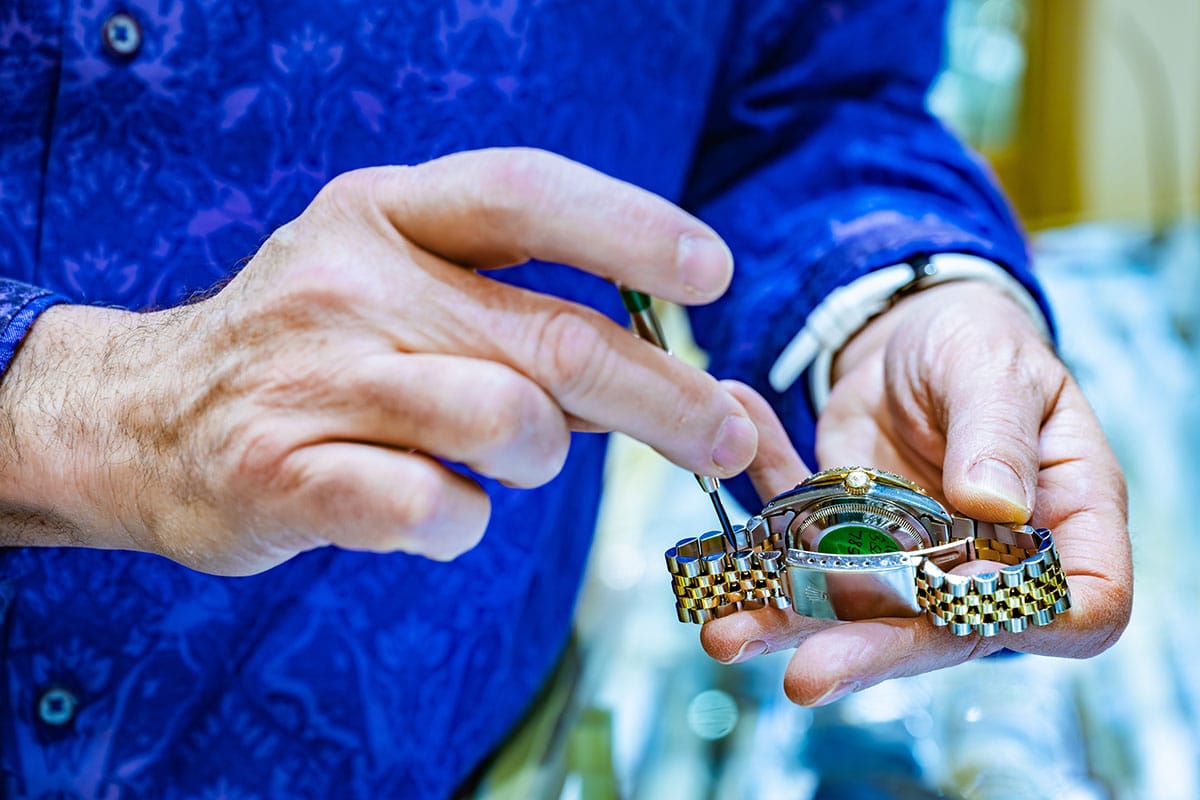
In short: Authenticity is king. It’s worth paying a bit more or spending extra time to ensure you’re getting the real deal. The luxury watch community is, unfortunately, rife with very convincing fakes. It’s said there are more fake Rolexes out there than real ones. But by sticking with trusted dealers, verifying documentation, and knowing what to look for, you can avoid the pitfalls. This due diligence will let you enjoy your watch with peace of mind.