Why Sapphires, Emeralds, and Rubies Are Becoming Popular Center Stone Choices
At Harry Glinberg Jewelers, gemstone rings are designed to capture both the eye and the heart. Today, more couples and jewelry lovers are breaking tradition and embracing vivid colors in a big way. Enter colored gemstones: particularly sapphires, emeralds, and rubies. These rich, vibrant stones are redefining what a center stone can be, infusing personality, meaning, and unmistakable style into pieces that stand out.
But what’s driving this shift? Why are colored gemstones gaining traction now, and why are sapphires, emeralds, and rubies leading the charge? Let’s explore.
A Shift in Taste: Personal Expression Over Convention
One of the biggest factors behind the rise of colored gemstones is a broader cultural shift toward self-expression. Millennials and Gen Z, in particular, have played a major role in redefining jewelry trends. Rather than adhering to a one-size-fits-all standard, many modern buyers want pieces that reflect their personality, values, and individuality.
Colored gemstones do just that.
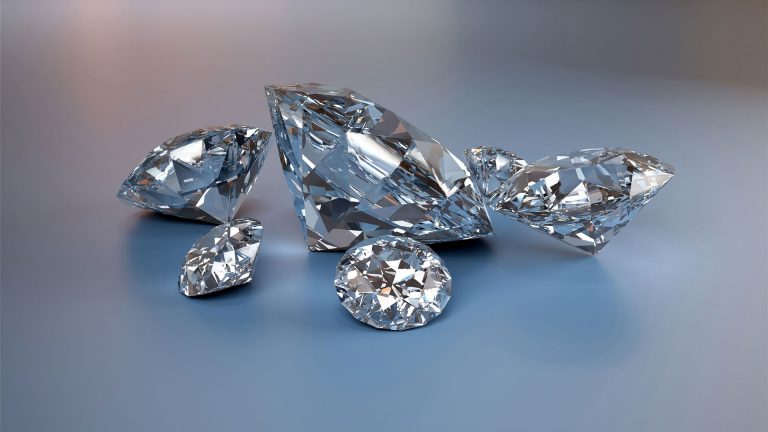
Where a diamond might convey tradition and formality, a bold blue sapphire might express depth and confidence. A lush green emerald can speak to creativity and renewal. A fiery red ruby exudes passion and strength. These distinctive hues allow wearers to choose stones that resonate on a personal or emotional level, making the jewelry feel uniquely theirs.
The Allure of Sapphires: Beyond Blue
Versatility Meets Meaning
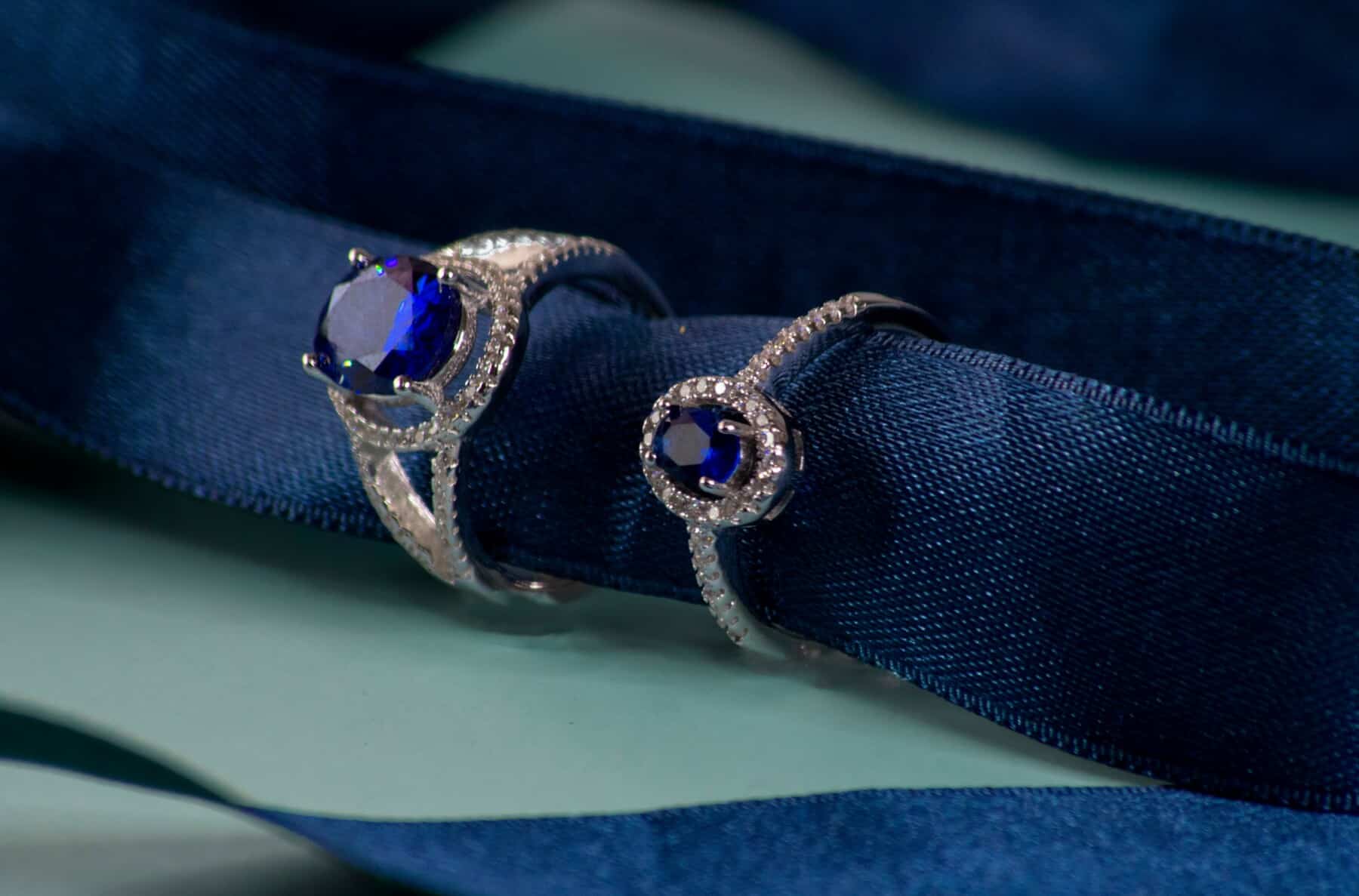
When most people picture a colored gemstone, the first that comes to mind is often the sapphire. While the deep royal blue sapphire is iconic, the stone actually comes in a spectrum of colors, from soft pastels to vivid pinks, yellows, and greens, collectively known as fancy sapphires.
Here’s why sapphires are becoming such a compelling center stone choice:
- Symbolism: Traditionally associated with loyalty, wisdom, and integrity, sapphires carry emotional resonance that appeals to many couples.
- Unique Yet Classic: A sapphire offers a sense of individuality without venturing into the avant-garde. It’s bold, but still timeless.
- Durability for Everyday Wear: With a rating of 9 on the Mohs hardness scale, sapphires are extremely durable, second only to diamonds. That makes them ideal for engagement rings and other pieces worn daily.
Whether set in a vintage-inspired ring or a sleek modern band, sapphires bring eye-catching color that remains sophisticated.
Emeralds: The Stone of Elegance and Renewal
Rich History, Rich Green Hue
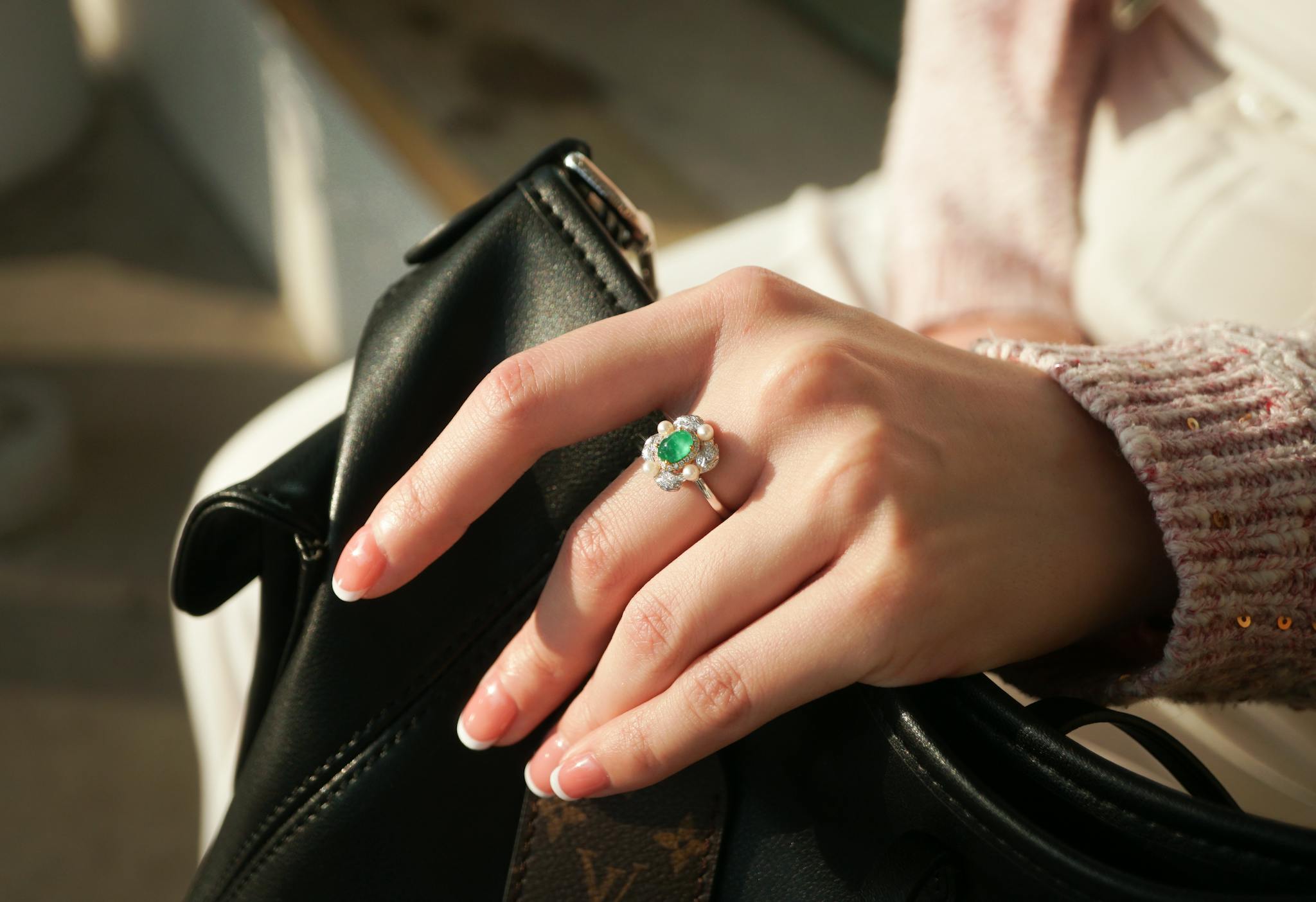
Emeralds are among the most enchanting of colored gemstones. Their vibrant green evokes renewal, growth, and balance, qualities that make them especially meaningful for engagement rings and heirloom pieces.
Here’s what makes emeralds stand out:
- Distinctive Color: An emerald’s rich green is instantly recognizable and deeply evocative. Unlike other gemstones, where brilliance and flash often dominate, emeralds mesmerize with depth of color.
- Historical Prestige: Emeralds have been prized for millennia, from ancient Egyptian royalty to Mughal emperors. This legacy adds a layer of historical significance to the stone.
- Softness Means Character: Emeralds are softer than sapphires and rubies (rating 7.5–8 on the Mohs scale) and often include natural inclusions known as “jardin.” Rather than detracting, these features give emeralds a unique character and authenticity.
While emeralds require a bit more care, many jewelry lovers feel the payoff, intense color and timeless appeal, is well worth it.
Rubies: Passion in the Purest Red
A Statement in Every Hue
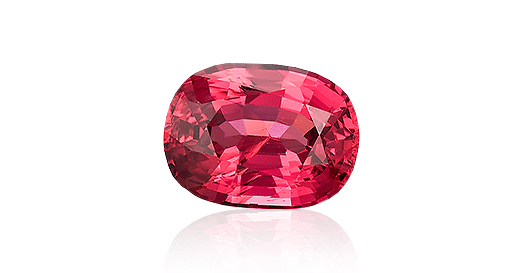
Rubies are the ultimate gemstone of passion, courage, and love. Known for their fiery red tones, known as the “King of Gemstones”, they make a striking centerpiece.
Why rubies are gaining popularity:

- Symbolism of Strength & Passion: Rubies have long been associated with romance, passion, and devotion, meaningful qualities for engagement rings and meaningful gifts.
- Rare & Precious: Fine-quality rubies are among the rarest colored gemstones. Their scarcity adds to their allure and prestige.
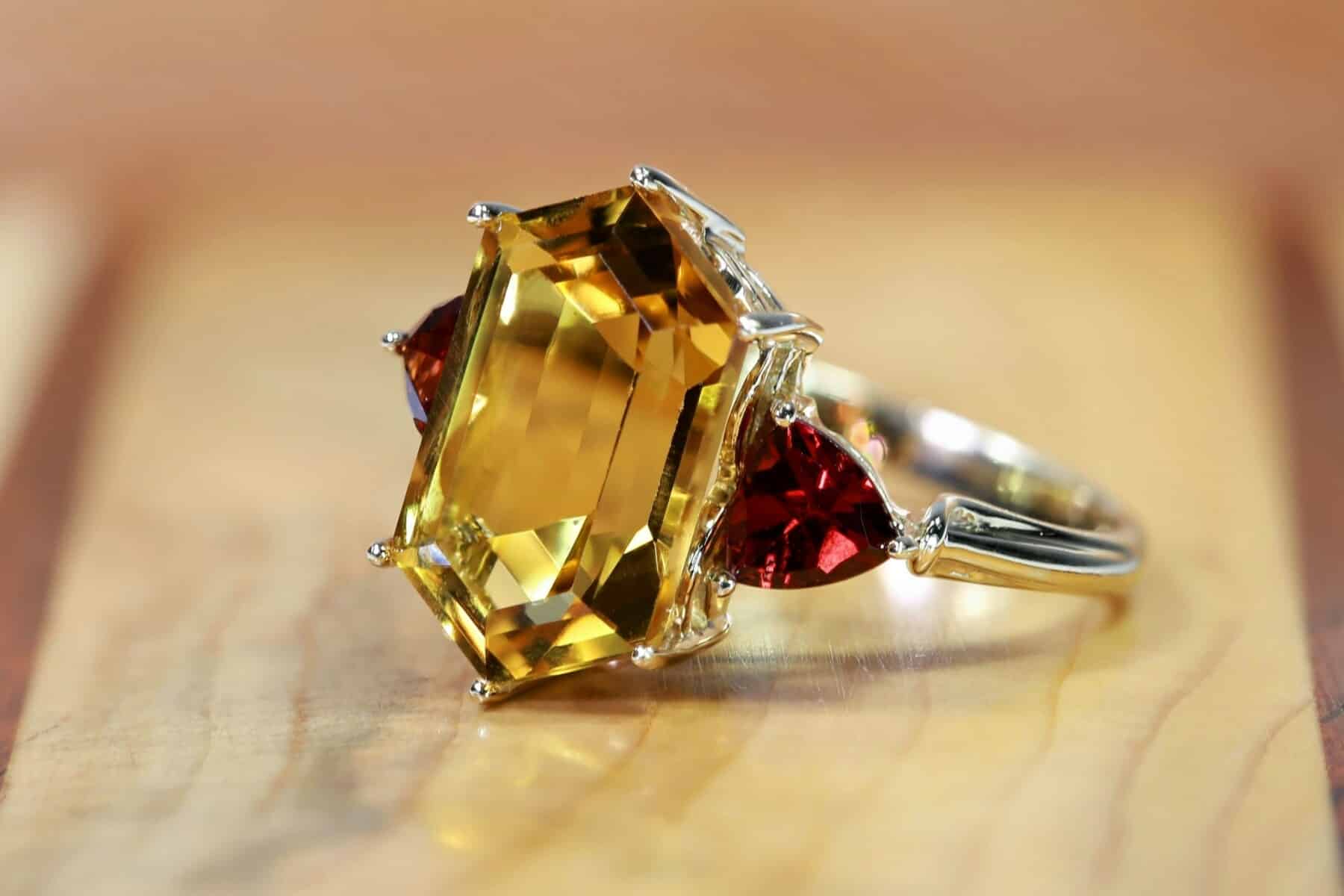
- Color First, Brilliance Second: Unlike diamonds, the emphasis in a ruby is on color intensity rather than sparkle. This focus on rich hue over flash gives rubies a warm, velvety glow that’s immediately captivating.
Whether set in classic styles or paired with diamonds for contrast, rubies make a bold statement that’s hard to ignore.
Why Colored Gemstones Are More Popular Now
It’s not just aesthetic preference driving this shift, there are several broader trends at play:
Changing Values Around Tradition
Many modern couples are redefining what tradition means. Instead of following conventions rooted in past generations, they’re choosing stones that reflect their journey, values, and aesthetics. For some, this means stepping away from the diamond tradition entirely.
Social Media Influence
Platforms like Instagram, Pinterest, and TikTok have propelled bold gemstone styles into the spotlight. Influencers, celebrities, and jewelry designers showcase colorful rings that spark imagination and inspire non-traditional choices.
Advances in Gemstone Sourcing and Treatments
Improvements in gemstone cutting, sourcing transparency, and responsible mining practices have made colored stones more accessible and ethical. Buyers who care about sustainability or ethical sourcing often find colored gemstones an appealing alternative to traditional diamonds.
Price Flexibility
While high-end colored gemstones can rival diamonds in price, there are many more affordable options in sapphire, emerald, and ruby markets, especially when compared to top-tier diamonds of equivalent size and quality. This allows buyers to opt for larger or more vibrant stones within their budget.
How to Choose the Right Colored Gemstone
If you’re considering a colored gemstone for your center stone, here are a few tips:
Think About Lifestyle
Durability matters. If you’re very active or plan to wear a piece daily (like an engagement ring), stones with higher hardness, like sapphires and rubies, are especially practical.
Prioritize Color Over Carat
With colored gemstones, color intensity usually has a bigger impact on beauty than size. Look for stones with rich, even hue rather than focusing solely on carat weight.
Consider Setting and Metal
Color choice can influence metal choice too. For example:
- Blue sapphires pair beautifully with white gold or platinum.
- Emeralds pop against yellow gold.
- Rubies look regal in both warm and cool metals.
Final Thoughts
Colored gemstones like sapphires, emeralds, and rubies aren’t just trends, they’re part of a meaningful shift in how people think about jewelry. These stones offer a fresh way to express identity, emotion, and personal style. They honor tradition not by copying it, but by reinventing it with color, personality, and intentional choice.
Whether you’re designing an engagement ring, celebrating an anniversary, or simply treating yourself, colored gemstones open the door to jewelry that’s as vibrant and unique as you are.
Ready to make a bold choice? Let color tell your story. Whether chosen as an engagement ring alternative, a birthstone celebration, or a bold fashion statement, gemstone rings from Harry Glinberg Jewelers are both timeless and deeply personal.