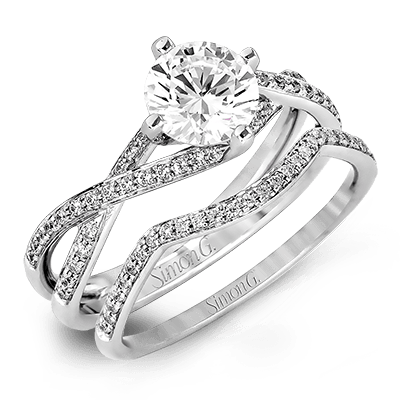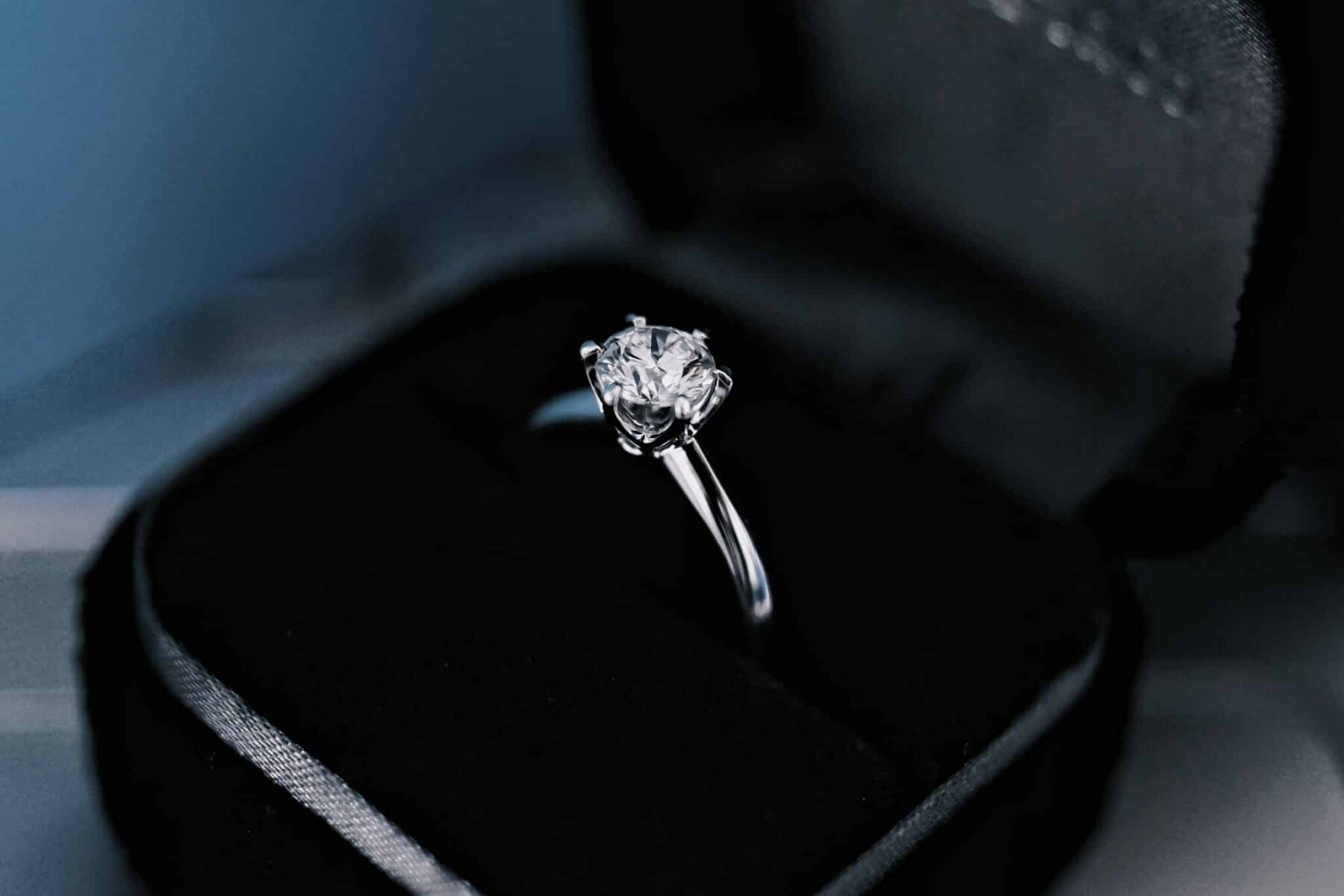
Choosing an engagement ring is a meaningful milestone that blends emotion, symbolism, craftsmanship, and financial planning. While the process can feel overwhelming at first, approaching it step by step transforms uncertainty into clarity. By setting a realistic budget, understanding the 4 Cs of diamonds, and selecting the right metal, you can confidently choose a ring that reflects both your commitment and your values.
Define Your Budget
The first and most practical step in choosing an engagement ring is establishing a budget. For decades, marketing campaigns suggested spending two or three months’ salary on a ring. However, modern couples increasingly prioritize financial stability over outdated formulas. The right budget is not determined by tradition; it is determined by what you can comfortably afford.
Start by reviewing your financial situation. Consider your savings, monthly expenses, upcoming wedding costs, and long-term goals such as buying a home or traveling. An engagement ring should symbolize a shared future, not create financial stress at the beginning of that journey.
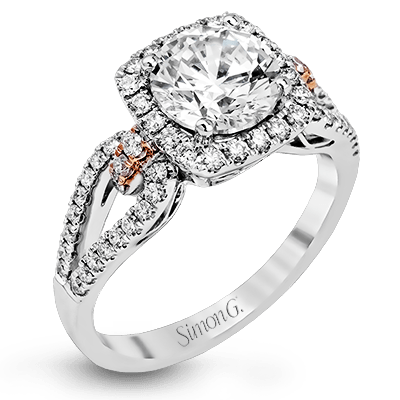
Once you determine a comfortable spending range, think about allocation. Typically, the majority of the budget goes toward the center stone, with the remainder covering the setting and metal. Some of the most popular designs are solitaire, halo, three-stone, vintage-inspired, and modern designs.
Flexibility is key. A clear maximum limit helps narrow options and prevents emotional overspending once you begin shopping.
Understand the 4 C’s of Diamonds
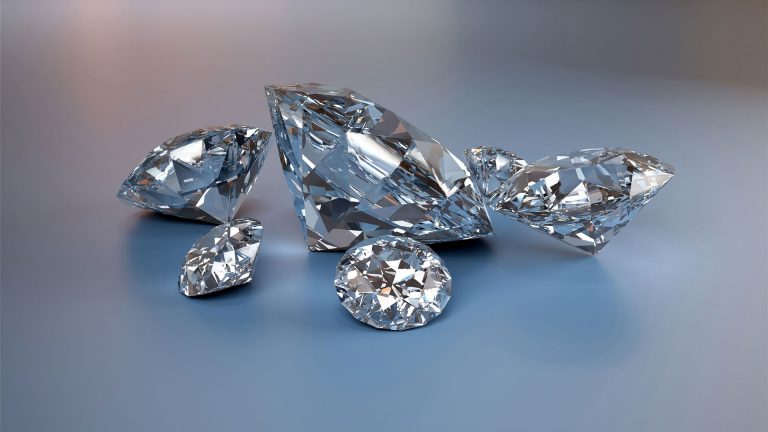
If you are choosing a diamond engagement ring, understanding the 4 C’s is essential. The grading system was developed and standardized by the Gemological Institute of America (GIA), and it remains the global benchmark for evaluating diamond quality. The 4 C’s; Cut, Color, Clarity, and Carat. These all work together to determine both beauty and value.
Cut
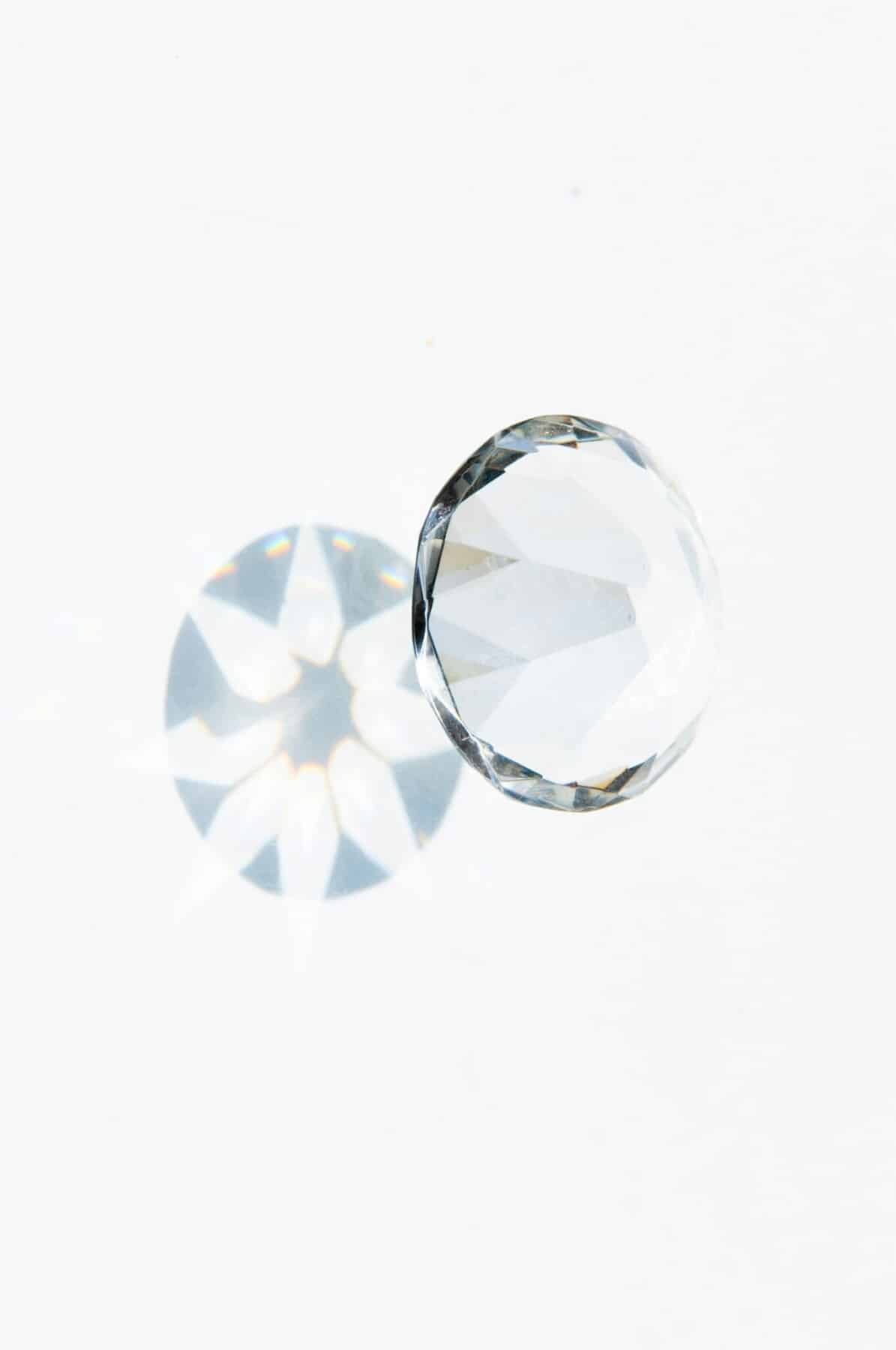
Cut refers to how well a diamond’s facets interact with light. It does not describe shape (such as round or oval), but rather how precisely the stone has been crafted. A well-cut diamond reflects light internally and disperses it back through the top, creating brilliance and sparkle. Diamonds that are cut too shallow or too deep will not let all the light through and may have a dark center.
Cut is widely considered the most important of the 4 C’s because it directly affects visual impact.
Color
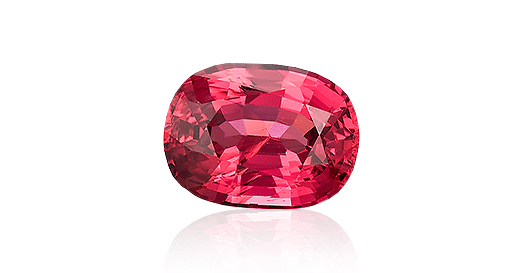
Diamond color is graded on a scale from D (completely colorless) to Z. Value starts to drop significantly at grades L, M, and N, and then increases again at the very end of the spectrum, which includes fancy diamonds that can be other colors.
However, many subtle color differences are difficult to detect with the naked eye. Diamonds in the G to H range often appear just as white as higher-graded stones once set in a ring. Choosing a near-colorless diamond can offer excellent value without compromising visual beauty.
Additionally, the metal choice influences how color is perceived. Warmer metals like yellow or rose gold can make slightly tinted diamonds appear whiter by contrast.
Clarity
Clarity measures the presence of internal inclusions and external blemishes. Grades range from Flawless (FL) to Included (I). While flawless diamonds are rare and expensive, most inclusions in mid-range clarity grades are microscopic and invisible to the naked eye.
The full scale starts with flawless (F) or internally flawless (IF) at the top, followed by VVS1 and VVS2 (very, very slight inclusions), VS1 and VS2 (very slight inclusions), SI1 and SI2 (slight inclusions), and I1, I2, and I3, which means inclusions are visible to the naked eye.
Carat
Carat refers only to a diamond’s weight, not necessarily its visible size or color. While higher carat weights generally mean larger diamonds, two stones of equal carat can appear different in size depending on cut and shape. Carat weight was determined thousands of years ago from the weight of the carob seed.
Rather than focusing on a specific carat number, think about the overall look and size you want. For example, a 0.90 carat diamond can be much more affordable than a 1.00 carat diamond, yet it looks only slightly smaller. Another consideration is your partner’s finger size: a larger carat diamond will appear larger on a smaller hand.
Balancing the 4 C’s involves prioritizing what matters most. Many experts recommend focusing first on cut, then selecting a pleasing balance of color and clarity, and adjusting carat weight to remain within budget.
Center Stone Shape
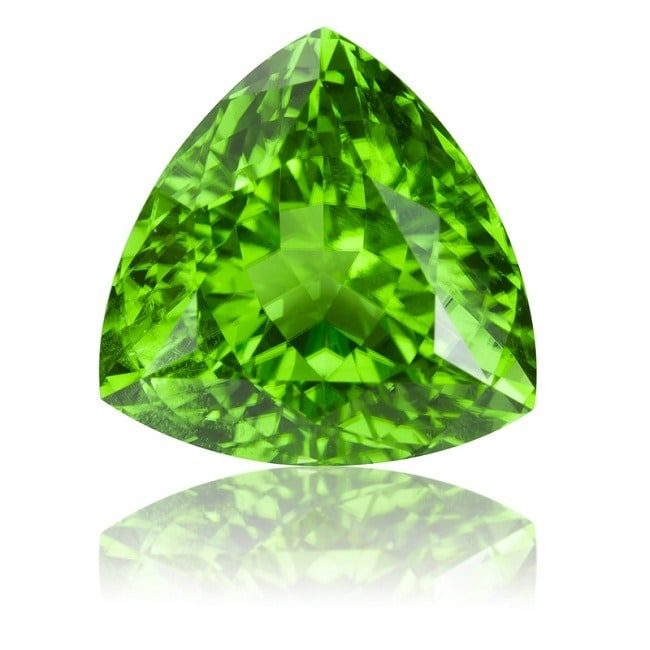
While not one of the 4 C’s, shape plays a major role in a ring’s style. Round diamonds are classic and maximize sparkle due to their faceting pattern. There are many different shapes, like oval, cushion, princess (square), emerald (rectangle), pear, and marquise. Each shape has a different style.
Different shapes also influence price. Round diamonds typically cost more because of higher carat weight, while fancy shapes can offer better value per carat. Although the prices may vary, different shapes are equally beautiful.
Selecting a shape should reflect the wearer’s personal style above all else. Looking at your partner’s existing jewelry preferences and fashion can offer helpful clues.
Metal
Choosing the right metal for your rings band affects durability, maintenance, skin sensitivity, and overall aesthetic. Engagement rings are worn daily, so practicality matters as much as appearance. Like diamond shape, the metal should represent the wearer’s style.
Platinum is naturally white, hypoallergenic, and highly durable. It develops a soft patina over time rather than losing metal, making it an excellent long-term investment.
White gold is created by alloying gold with white metals and plating it with rhodium for brightness. It is more affordable than platinum but may require occasional re-plating to maintain its shine.
Yellow gold is timeless and traditional. It is a very classic look and can enhance the warm colors of a diamond.
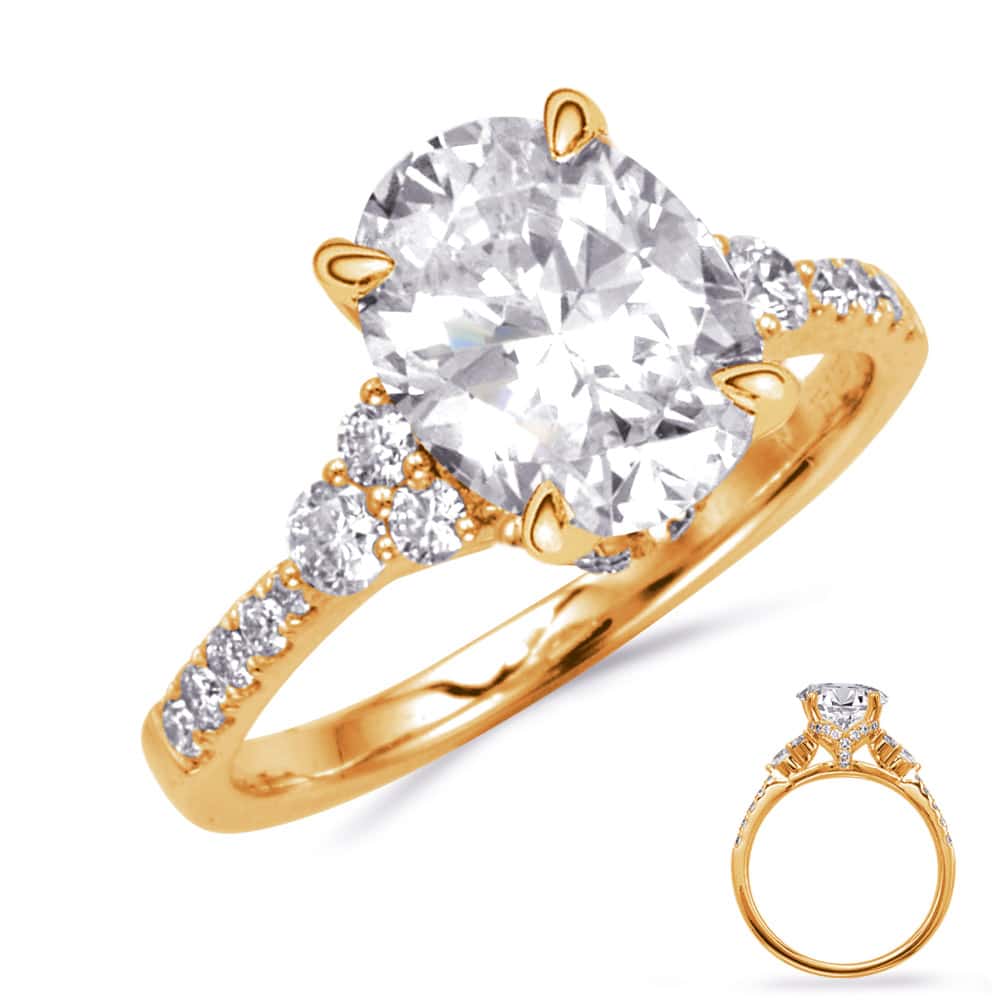
Rose gold provides a romantic pink hue. It is durable and distinctive, complementing a wide range of styles.
Conclusion
Choosing an engagement ring becomes far less daunting when approached using this guide. By establishing a realistic budget, understanding the 4 C’s, and selecting a complementary metal, you can find the right engagement ring. At Harry Glinberg Jewelers, we are honored to help you choose the perfect engagement ring for the love of your life.