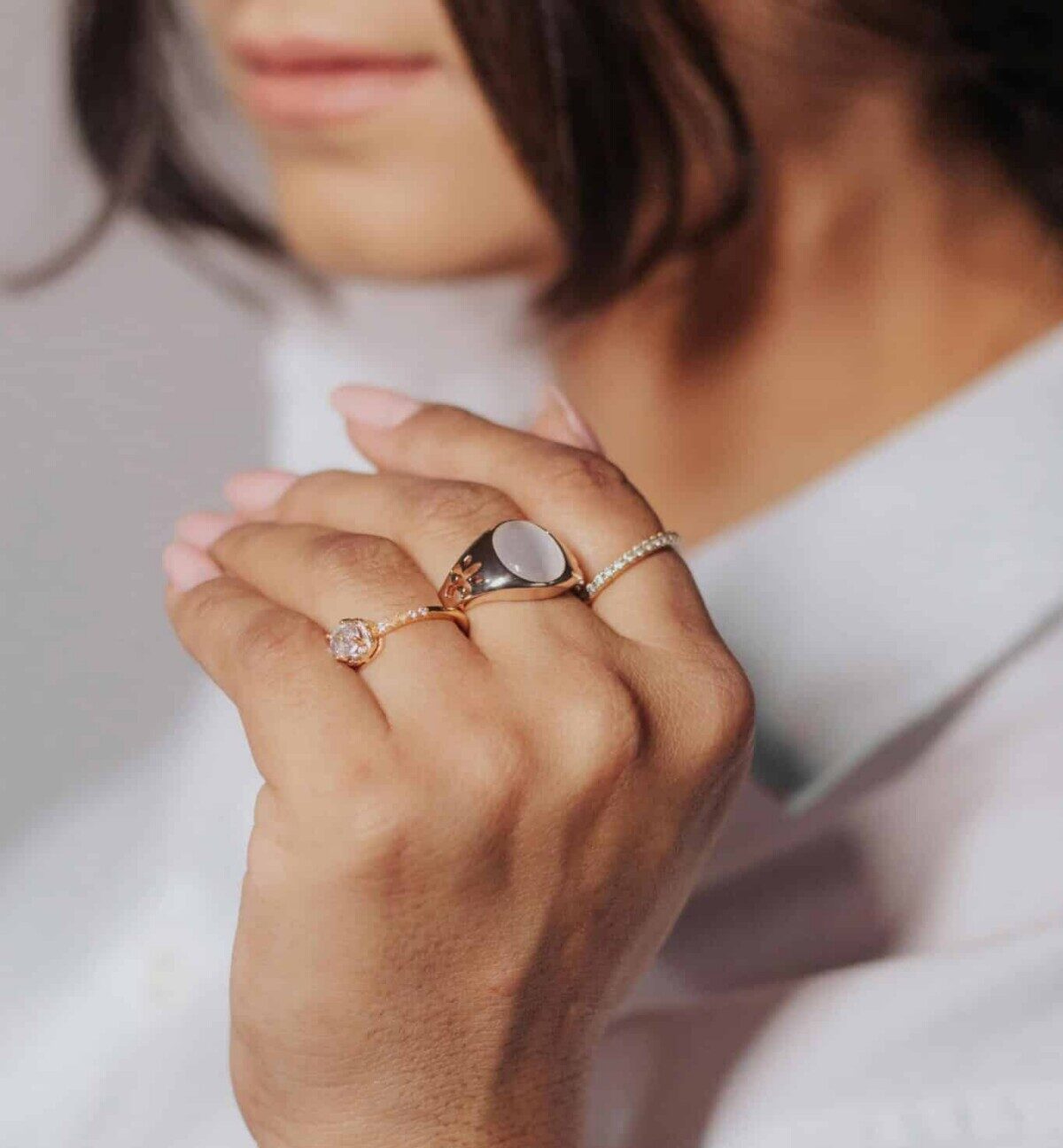
Proper jewelry maintenance ensures your precious metals and gemstones retain their original brilliance for generations. Follow this comprehensive guide to protect, clean, and store your most valuable pieces safely.
Understanding Jewelry Care Basics
Importance of jewelry maintenance
Regular maintenance is not just about preserving the aesthetic sparkle of your collection. Dirt, oils, and daily grime can slowly degrade the structural integrity of your jewelry over time. When lotions and natural skin oils accumulate behind a gemstone, they block light return and make a brilliant diamond look dull and lifeless. More importantly, accumulated debris can mask structural issues like loose prongs or microscopic stress fractures in the metal. By maintaining a clean collection, you ensure that every clasp, prong, and setting remains secure and visually stunning.
Common risks for precious jewelry
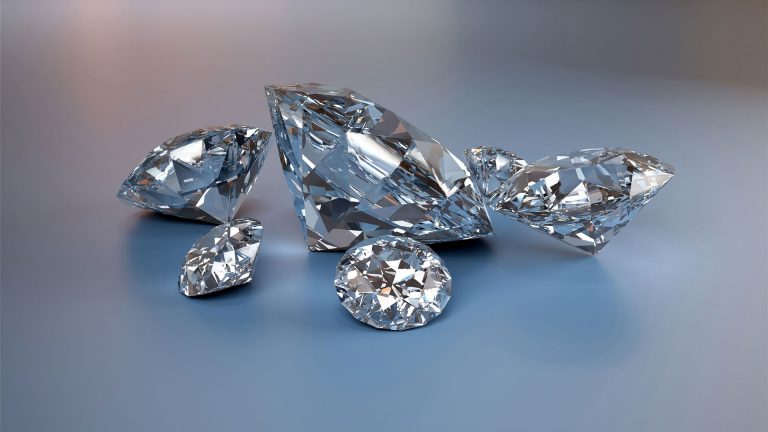
Your jewelry faces numerous environmental and chemical threats every single day. Household cleaning agents containing chlorine or bleach can permanently pit and discolor gold alloys. Everyday beauty products like hairspray, perfume, and heavy lotions create a sticky film on gemstones that attracts additional dirt. Physical abrasion is another major risk factor. Diamond is the hardest natural substance on the Mohs scale, meaning it will easily scratch softer stones like sapphires, rubies, and emeralds if they rub against each other during daily wear.
Overview of cleaning material and methods
Expert jewelry cleaning does not require expensive commercial chemicals. The safest and most effective materials are already in your home. You will need a gentle degreasing dish soap, a dedicated baby toothbrush with the softest available bristles, and a lint-free microfiber cloth. Never use abrasive materials like baking soda, toothpaste, or stiff brushes on precious metals. These harsh abrasives will create microscopic scratches in gold and silver, permanently dulling the highly polished finish.
Step by Step Cleaning Methods
How to clean different types of jewelry
|
Material Type |
Cleaning Solution |
Safe Cleaning Method |
Drying Process |
|---|---|---|---|
|
Solid Gold |
Warm water and mild dish soap |
Soak for 15 minutes, gently brush crevices, rinse thoroughly. |
Pat dry with a microfiber cloth. |
|
Sterling Silver |
Warm water or dedicated silver polish |
Wash gently or use a specialized silver polishing cloth to remove tarnish. |
Buff gently with a dry, lint-free cloth. |
|
Hard Gemstones (Diamonds, Sapphires) |
Warm soapy water or ammonia-based glass cleaner (sparingly) |
Soak briefly, scrub behind the stone with a soft brush to remove built-up oils. |
Air dry or dab with a soft cloth. |
|
Soft or Porous Stones (Pearls, Opals) |
Very lightly dampened soft cloth only |
Wipe the surface gently. Never submerge in water or use any soaps. |
Lay flat on a soft towel to dry naturally. |
Best practices for ultrasonic and manual cleaning
Ultrasonic cleaners use high-frequency sound waves to create microscopic bubbles that blast dirt away from hard-to-reach crevices. While highly effective for solid gold and diamond jewelry, ultrasonic machines pose a severe risk to many gemstones. The intense vibrations can shatter stones with natural inclusions, such as emeralds, and they will completely destroy porous materials like pearls, opals, amber, and coral. Manual cleaning remains the safest universal method. When cleaning manually over a sink, always plug the drain first to prevent losing a loose stone that might dislodge during the scrubbing process.
Avoiding damage during the cleaning process
Temperature shocks can cause precious gemstones to fracture. Never take a ring from freezing winter air and plunge it directly into hot water. Always use lukewarm water to keep the temperature stable. Avoid gripping delicate settings too tightly while brushing, as excessive pressure can bend gold prongs out of alignment. If a piece of dirt is stubbornly lodged beneath a setting, do not use a pin or needle to dig it out. Soaking the piece longer is the only safe way to loosen stubborn debris.
Proper Storage Techniques
Best storage practices to prevent scratching and tangling
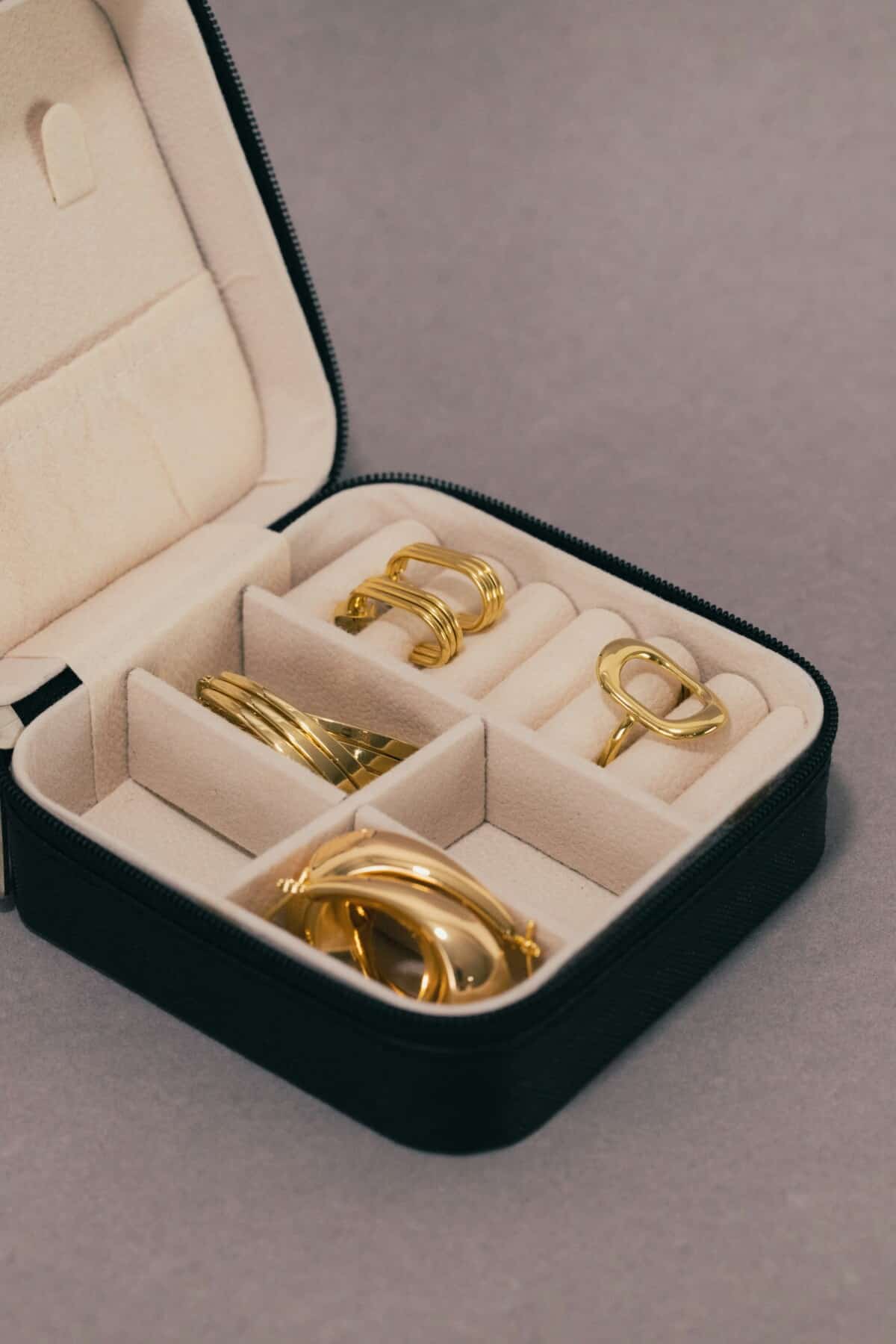
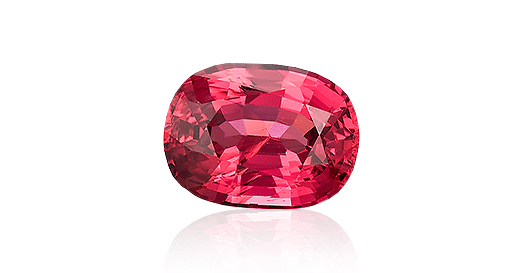
Proper storage requires strict physical separation. Because gemstones vary wildly in hardness, tossing multiple pieces together into a single drawer guarantees scratching. Diamonds will scratch sapphires, sapphires will scratch topazes, and almost all gemstones will scratch solid gold. Necklaces pose a different threat. Chain links can easily knot together, and attempting to untangle delicate chains often leads to stretched links or broken clasps. Always fasten the clasp of a necklace before storing it to minimize tangling.
Recommended storage materials
Invest in a high-quality jewelry box featuring multiple padded compartments and soft fabric linings like velvet or cotton. For necklaces, vertical hanging organizers prevent chains from crossing and knotting. If you prefer to keep pieces in a safe or a drawer, utilize individual soft microfiber pouches for each item. Silver jewelry benefits greatly from being stored in airtight bags with specialized anti-tarnish strips, which absorb the sulfur in the air that causes sterling silver to blacken.
Environmental factors that can damage jewelry
Your storage environment plays a massive role in jewelry preservation. High humidity accelerates the tarnishing process for silver and can weaken the silk threads used to string pearls. Extreme heat and direct sunlight will fade the color of certain gemstones like amethyst, kunzite, and topaz. Keep your jewelry boxes in a climate-controlled room, far away from bathroom humidity, heating vents, and direct window light. You can place silica gel packets inside your jewelry box to absorb excess ambient moisture.
Preventative measures to protect your jewelry
Tips for wearing jewelry safely
The golden rule of jewelry wear is “last on, first off.” Your jewelry should be the final thing you put on before leaving the house and the very first thing you remove when you return. This practice limits exposure to cosmetics, perfumes, and hairsprays. Physical activities require strict vigilance. Never wear rings while lifting weights at the gym, as the pressure of a steel barbell will warp a gold band and crush delicate prongs. Remove all jewelry before swimming. Chlorine in pools deteriorates gold alloys, and cold ocean water causes your fingers to shrink, making rings easily slip off and disappear.
Importance of regular professional inspections
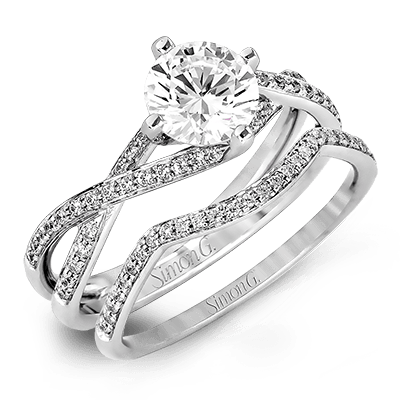
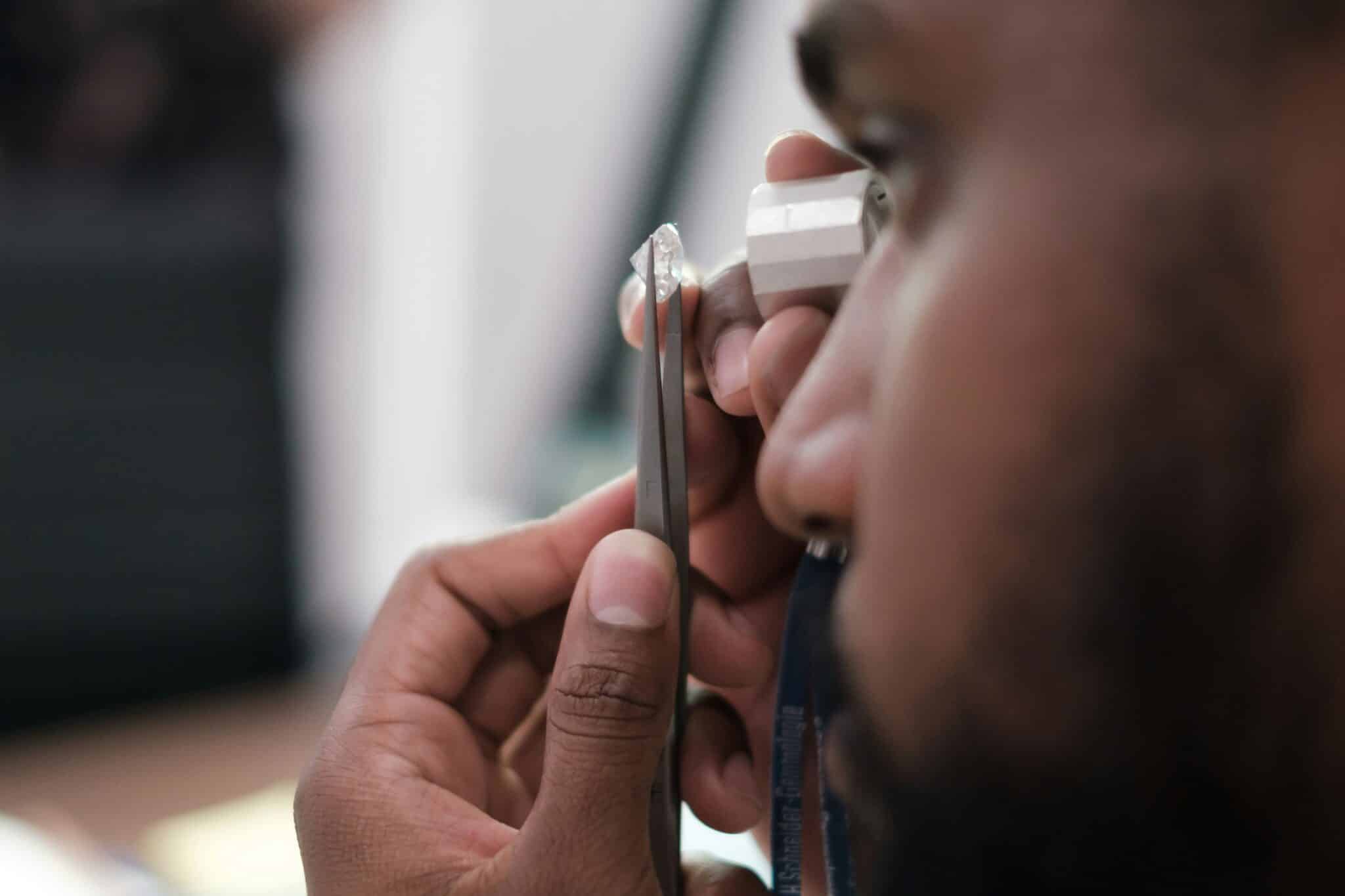
Even with meticulous home care, daily wear inevitably shifts metal. You should take your most worn pieces, especially engagement rings, to a professional jeweler twice a year. A jeweler uses a high-powered loupe to check for microscopic structural threats you cannot see with the naked eye. They will verify that every prong is tight, ensure the main stones are not loose in their settings, and check the structural integrity of clasps and hinges. Catching a bent prong early prevents the devastating loss of a valuable center stone.
prevents the devastating loss of a valuable center stone.
Understanding when to repair or recondition jewelry
Do not wait for a piece to break before seeking repair. If a ring catches easily on your clothing, a prong is likely lifted and requires immediate tightening. Over decades of wear, the bottom of a ring band will slowly thin out due to constant friction against door handles and steering wheels. A jeweler can perform a “half-shank” repair, replacing the thinned gold with fresh metal to restore the ring’s original thickness. White gold pieces will also naturally lose their bright white finish over time and show a slight yellow tint. Reconditioning involves polishing the metal and reapplying a fresh rhodium plating to restore that brilliant, mirror-like white finish.
Protect Your Investment with Professional Care
While proper home routine keeps your pieces looking their best day-to-day, nothing replaces an expert eye. Whether your favorite ring needs a routine prong inspection, a rhodium refresh, or a deep professional clean, our master jewellers are here to keep your collection pristine. Visit our showroom in Milwaukee or contact us to schedule your complimentary jewelry inspection today!